
Luxe vs. budget products? Are they really that different?
Growing up on runs to Thrifty Drugstore in the…dare I say to show my age…90’s, it was all I really knew about where to buy makeup. Coming from a middle class family, venturing to the mall for makeup was not in the cards for me well until I was making my own money after I got my first job. And even then, I still didn’t buy luxe products. I was strictly a Cover Girl or if I was really feeling spendy, I’d go for the Max Factor. With the current trends of the 90’s coming up on social media, it reminded me of what my options were available back than and for many other girls just like me.
So the question remains, now that I’m older, maybe even wiser, are makeup products in the luxury category all that much better than what’s being offered at CVS, Target, Walmart, etc.? And if so, what products are they? This deserved some investigation, so I will be going over what products, IMHO are worthy whether they are luxury brand or drugstore brand. We begin this series with the first category: skincare and skin prep. Look out for the next blog coming out soon!
Why taking makeup breaks is part of good skin care (and better makeup)
In a world of full glam, filters, and constant content, it can feel counterintuitive to step back from makeup. But some of the healthiest skin and the best makeup results come from intentional makeup breaks.
A makeup break doesn’t mean abandoning beauty. It means giving your skin space to reset, repair, and breathe so that when you do wear makeup, it performs better, and in turn, looks better.
What Happens When You Never Take a Break
Daily makeup wear, especially long-wear foundations, setting powders, and frequent touch-ups can:
Disrupt the skin barrier
Dehydrate the surface while clogging pores underneath
Accentuate texture, congestion, and dullness
Make makeup sit heavier over time
And ironically, the more we try to “cover,” the more makeup starts to work against us.
Makeup Breaks = Skin Prep in Real Time
Think of makeup breaks as extended skin prep days. These are the moments where you allow:
Hydration to actually penetrate
Actives (like exfoliants or barrier-repair products) to work without interference
Natural oils to rebalance
Even one or two no-makeup days per week can improve how your skin accepts makeup later. (If I have a day of staying in, you’ll find me sans makeup, catching up with the latest Housewives, green tea with lemon in hand and my favorite face masque.)
This Is Especially Important Before Events
One of the biggest mistakes I see is wearing heavy makeup right up until a big event. The skin shows fatigue as foundation separates, concealer creases, glow turns flat. Think of a makeup free day as the clarifying shampoo day for hair. Sometimes your hair needs a good reset to remove any product buildup. Your face needs it too.
When clients take a short makeup break leading up to:
Weddings
Photoshoots
Special occasions
Their skin looks smoother, more hydrated, and makeup requires less product to achieve more impact.
What a “Makeup Break” Actually Looks Like
This doesn’t have to be all or nothing.
A makeup break can mean:
Skipping foundation and wearing skincare + SPF only
Using tinted sunscreen instead of complexion products
Focusing on brows and lips, leaving skin bare
Wearing makeup fewer hours per day
It’s about reducing load, not eliminating expression.
Better Skin = Better Makeup
Here’s the truth most people don’t want to hear:
No product can out-perform neglected skin.
Makeup is meant to enhance what’s already there, not fight against dryness, buildup, or irritation. Taking breaks is one of the most underrated tools for achieving that effortless, polished look people chase.
If your makeup hasn’t been sitting right lately, your skin might not need another product, it just might need a pause.
Skin first. Always.
Why busy moms & professionals struggle with makeup (even when they “know what they’re doing”)
If you’re juggling work, kids, errands, and a constantly buzzing brain, makeup usually falls into one of two categories: rushed or skipped. And when you do try, it sometimes feels like your makeup just doesn’t cooperate the way it used to.
You’re not bad at makeup. You’re just busy.
Busy people don’t need complicated routines or trend-heavy advice. They need makeup that works quickly, holds up all day, and doesn’t require constant fixing.
You Don’t Have Time to Experiment — And That’s Normal
Most makeup advice assumes you have time to test products, try new techniques, and start over if something goes wrong. Real life doesn’t work like that.
When your mornings are tight, your makeup routine needs to be predictable, forgiving, and easy to repeat. Something you can do on autopilot and still feel put together.
That’s not lazy. That’s practical.
Tutorial Makeup vs. Real-Life Makeup
Online tutorials are filmed in perfect lighting, on one face, with no interruptions. Real life makeup has to survive school drop-off, meetings, humidity, touching your face, and long days.
The goal isn’t to look flawless up close. It’s to look polished, fresh, and like yourself — without thinking about it all day.
What Most People Actually Want
The most common thing I hear is:
“I just want to look like myself… but better.”
That usually means fewer products placed smarter. A base that evens skin without feeling heavy. A little color in the cheeks and lips to bring life back. Brows that frame the face without stealing the show.
Simple doesn’t mean bare. It means intentional.
Why a Makeup Lesson Actually Saves Time
A makeup lesson isn’t about adding more to your routine. It’s about cutting out what doesn’t work.
You learn what to skip, what actually matters for your face, which products earn a spot in your makeup bag, and how to get ready faster with better results. Most clients leave using fewer products — not more.
That’s the real win.
Final Thought
You don’t need more makeup.
You don’t need more tutorials.
You don’t need to keep guessing.
You just need a routine that fits your life — not someone else’s.
Makeup should support you, not slow you down.
If you’re ready for a simple, realistic makeup routine that works for your face and your schedule, I offer one-on-one makeup lessons designed for busy women who want clarity — not complexity.
You can learn more or book directly through my site whenever it feels right.
Makeup isn’t A one—size-fits-all. Weather changes everything
If you’ve ever wondered why your makeup looks great one day and completely off the next, even though you used the same products; it’s probably not your skin or your skill level.
It’s the weather.
Makeup reacts to its environment the same way skin does. Heat, humidity, cold, and dryness all change how products sit, move, and wear throughout the day. When the weather changes, your makeup routine often needs to change too.
This is one of the most common issues I see with clients, especially women who already own great makeup but feel like it’s suddenly working against them.
Heat & Humidity: When Makeup Slides Instead of Sets
In warm, humid conditions, makeup tends to break down faster. Products can separate, slide, or look shiny far earlier in the day, which often leads people to apply more makeup in an attempt to control it.
Ironically, that usually makes things worse.
In humidity, the goal isn’t heavy coverage or extra layers. It’s balance.
Lighter base products, thoughtful placement, and strategic powder (not everywhere) allow the skin to breathe while still looking polished. Too much product gives humidity something to grab onto, and once that happens, makeup moves.
In these conditions, less makeup applied intentionally will almost always wear better than more makeup applied everywhere.
Cold & Dry Weather: When Makeup Looks Heavy or Textured
Cold or dry air changes things in the opposite direction. Instead of sliding, makeup can cling, especially around areas with texture or dryness.
Foundation may look heavier. Powder can exaggerate fine lines. Skin can feel tight even when it’s moisturized.
In dry weather, makeup needs flexibility.
Skin prep becomes more important, layers should be thinner, and overly matte finishes often work against the skin rather than helping it. This is when makeup should move with the skin, not sit rigidly on top of it.
What works beautifully in summer often needs to be softened or adjusted in colder months.
Transitional Weather: The Most Confusing of All
The trickiest time is when the weather is changing, such as cooler mornings, warmer afternoons, fluctuating humidity.
This is when makeup can feel inconsistent from day to day, even with the same routine. It’s also when most people start questioning their technique or wondering why nothing feels reliable anymore.
The issue usually isn’t ability.
It’s that routines need editing as conditions shift.
Small adjustments —> different textures, less powder, lighter layers —> make a noticeable difference during these in-between seasons.
The Bigger Picture
Good makeup isn’t about finding one perfect product or routine that works forever.
It’s about knowing when to adapt.
When you understand how makeup reacts to different environments, it stops feeling unpredictable. You stop fighting your products and start working with them, which is when makeup becomes easier, more consistent, and far more enjoyable.
This is something I focus on often in lessons, because once you understand why makeup behaves the way it does, everything clicks into place.
And that understanding lasts far longer than any single product recommendation.
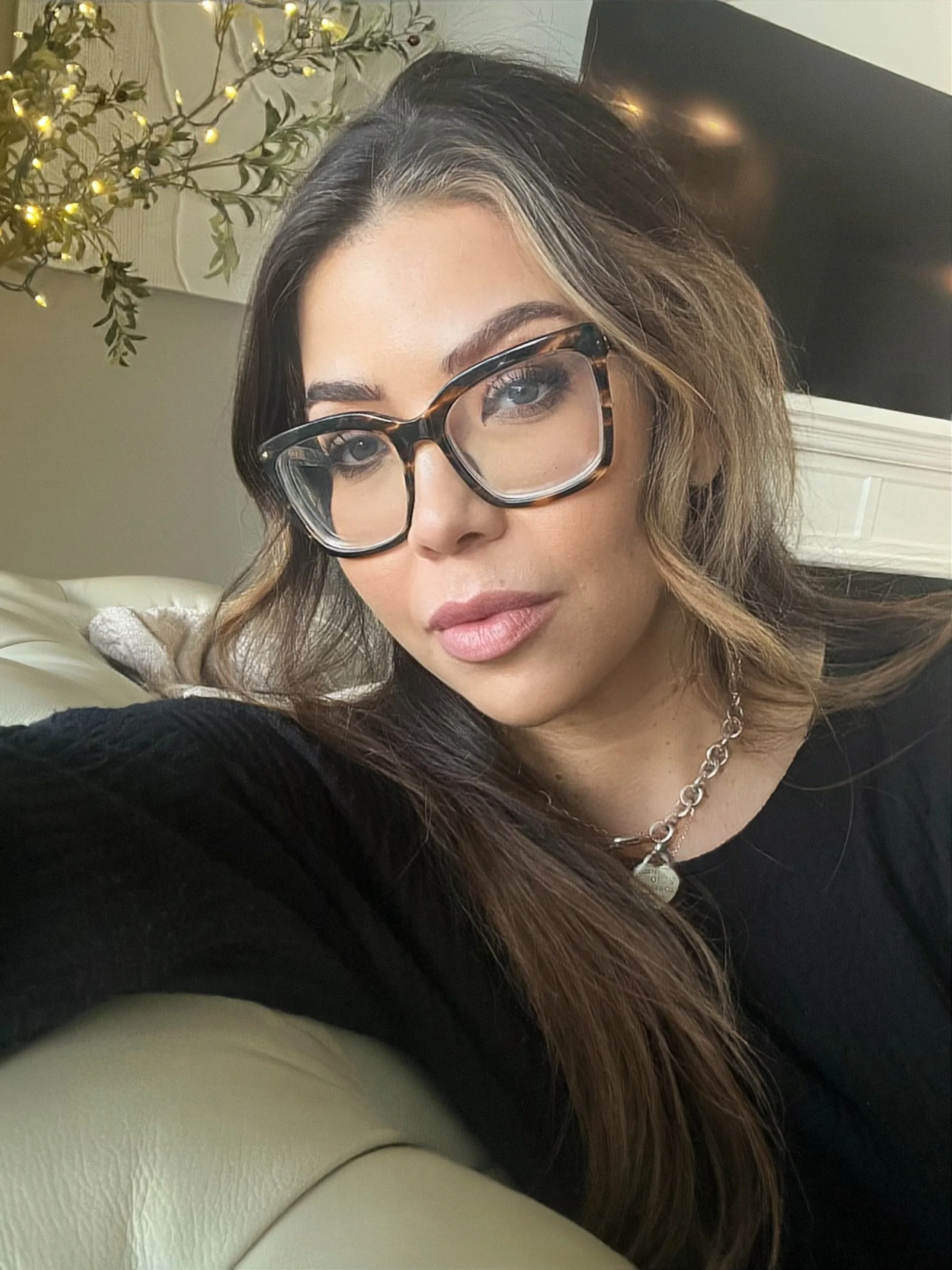
Makeup with glasses: What matters (and what doesn’t)
Wearing glasses doesn’t mean your makeup has to work harder—it just has to work smarter.
As a makeup artist, I see the same frustrations over and over: smudged foundation on the nose, eyes that disappear behind lenses, and brows fighting with frames. The good news? A few small adjustments make all the difference—and most people are overdoing it.
1. Foundation & the Glasses Problem (aka: the nose betrayal)
Tell it like it is:
Glasses will touch your face. Period. The goal isn’t zero transfer—it’s less obvious transfer.
Pro tips to include:
Use thin layers on the nose bridge (this is not the place for full coverage)
Let foundation fully set before glasses go on
Lightly set only where frames touch using a finely milled powder
Avoid heavy luminous products on the nose if slipping is an issue
👉 Opinionated truth:
If your glasses slide constantly, it’s not your makeup—it’s your frames. Get them adjusted. Makeup artists everywhere thank you.
2. Eye Makeup: Compensate for the Lens Effect
Lenses can magnify, shrink, or distort the eyes depending on prescription.
What actually works:
Slightly deeper crease definition than usual (nothing dramatic—just intentional)
Clean lash definition (clumps look messier behind lenses)
Tightlining instead of thick liner if frames are bold
Skip heavy shimmer on the lid if glare is an issue
💄 Pro artist note you should absolutely include:
Makeup for glasses isn’t about “more makeup.” It’s about better placement.
3. Brows vs. Frames: They Need Boundaries to Share Space
This is where people go rogue.
Rules that save lives (okay, faces):
• Brows should not disappear into the frames
• Avoid over-extending the tail if frames are thick
• Softer fronts, cleaner tails = balance
• Keep brows groomed but not blocky
Strong opinion (because it’s true):
If your frames are bold, your brows don’t need to fight for attention. They need to cooperate.
4. Blush, Bronzer & Balance: Brings Warmth Where Bold Frames Can Bury
Glasses draw attention to the center of the face. Use that.
Place blush slightly higher and outward
Avoid heavy contour lines near the nose
Bronzer should warm, not carve
Translation:
Lift the face visually so the glasses feel intentional—not heavy.
5. Lipstick Is Your Secret Weapon : Don’t shy away from a bold lip
When eyes are partially framed, lips carry more visual weight.
Encourage:
Creamy satins
Soft mattes
Defined but not harsh lip lines
This is also where personality comes in. A bold lip with simple eyes + glasses?
Timeless. Effortless. Chic.
Makeup with glasses isn’t about fixing a problem—it’s about understanding how frames change the balance of the face. Once you adjust placement and texture, everything clicks into place.
This is something I go over in detail during my makeup lessons, especially for clients who wear glasses daily and want their makeup to feel natural, polished, and wearable.
Makeup is a skill - not just products
Makeup Is a Skill — Not Just Products
We live in a time where access to makeup has never been easier. You can buy professional brands online, watch endless tutorials, and follow hundreds of creators demonstrating techniques in 30-second clips. And yet… many women still feel unsure when they sit down to do their own makeup.
That’s not because they’re doing something wrong.
It’s because makeup is a skill, not just a collection of products.
Owning the same makeup does not equal knowing how to use it.
Access Doesn’t Equal Application
Today, almost anyone can purchase the same foundations, brushes, and palettes used by professional makeup artists. That accessibility is amazing—but it’s also misleading.
What’s missing is decision-making:
Which product works for your skin?
How much pressure should you use?
Where should product placement change based on face shape, age, or how your skin wears makeup throughout the day?
Makeup isn’t one-size-fits-all. It’s contextual.
What a Professional Actually Brings to the Table
When I work with a client—especially in a lesson—I’m not just applying makeup. I’m analyzing:
Skin type and texture
Undertones and natural contrast
Eye shape, brow structure, and facial balance
Lifestyle factors (glasses, time, comfort level, climate)
These choices happen quickly and intentionally. They’re based on experience, repetition, and understanding why something works—not just copying what looks good on someone else.
That’s the part you can’t buy off a shelf.
Why Makeup Lessons Feel Different
A professional lesson isn’t about recreating a trendy look. It’s about teaching you how to make decisions confidently on your own.
Most clients don’t need more products. They need:
Better placement
Fewer steps
A routine that works in real life, not just on camera
That’s where the shift happens—from “I’m bad at makeup” to “Oh… I get it now.”
Skill Is Invisible—Until It Isn’t
Good makeup doesn’t scream. It supports.
It makes you look rested, polished, and like yourself on a good day.
When makeup is applied with skill, people don’t ask what you’re wearing.
They ask how you did it.
And that’s the difference.
Final Thought
If makeup were just about products, everyone with a drawer full of cosmetics would feel confident using them. But confidence comes from understanding—not accumulation.
Makeup is a learned skill.
And like any skill, it gets easier, better, and more intuitive with the right guidance.
Interested in learning how to make makeup work for you?
I offer personalized makeup lessons designed around real life, real faces, and real routines. You can learn more or inquire about booking on the Book Appointment page.
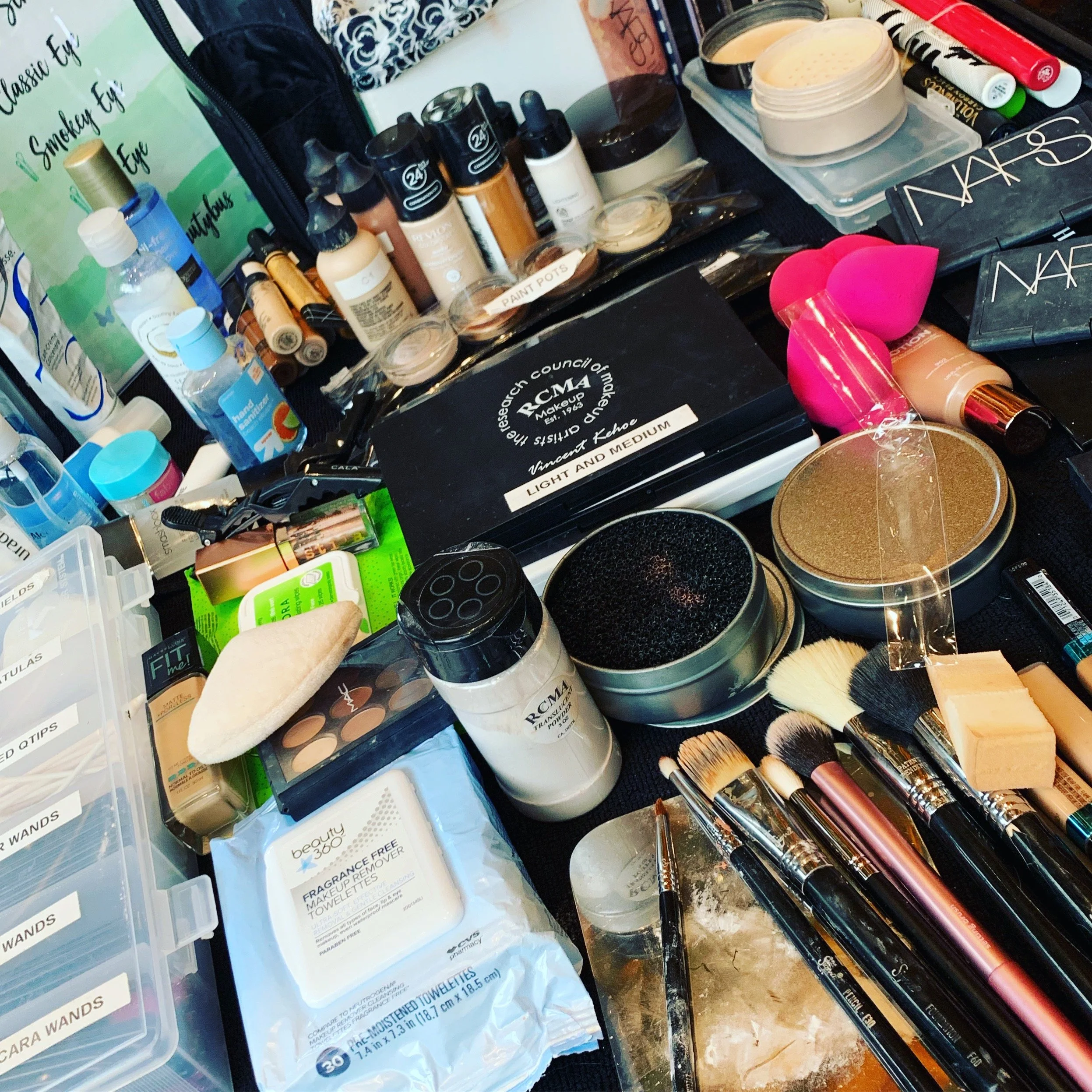
Why makeup should feel wearable
Why Makeup Should Feel Wearable — Not Overwhelming
One of the most common things I hear from clients is that makeup feels confusing or intimidating. Too many products, too many techniques, and too much pressure to follow trends that don’t actually suit their face or lifestyle.
Makeup doesn’t need to be complicated to be effective. In fact, the best makeup routines are usually the simplest ones — built around understanding your features, your skin, and the colors that work best for you.
A wearable makeup look enhances what’s already there. It feels comfortable, lasts throughout the day or evening, and still looks like you. It doesn’t require dozens of products or a rigid step-by-step process. It requires intention.
When makeup feels overwhelming, it’s usually because it’s not tailored. What works beautifully on one person may feel heavy or unnatural on another. That’s why personalized application and lessons are so valuable — they remove the guesswork and help you focus on what actually works for you.
The goal isn’t perfection. It’s confidence, ease, and feeling put together without overthinking it.